A buyer sends a product photo and asks a simple question:
“What is your best price?”
The question is understandable, but the first number a supplier provides may only be a rough estimate. A stainless steel bottle or tumbler that looks almost identical in a photo can be produced with different materials, finishes, lids, logo methods, packaging, and quality requirements. Each choice affects the final cost.
This is why two suppliers may quote very different prices for what appears to be the same product. In many cases, they are not actually quoting the same specification.
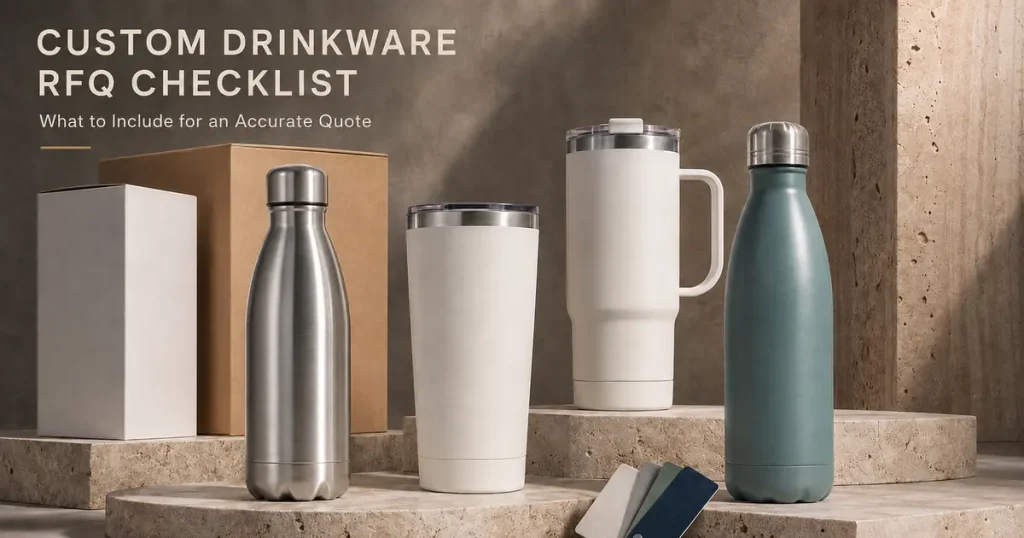
A clear request for quotation, or RFQ, helps both sides work more efficiently. It allows the supplier to recommend a suitable production route, check the correct minimum order quantity, and provide a quotation that is easier to compare.
This guide explains the information to include when requesting a custom stainless steel drinkware quote—even if your project is still at an early stage.
Why a Product Photo Is Not Enough
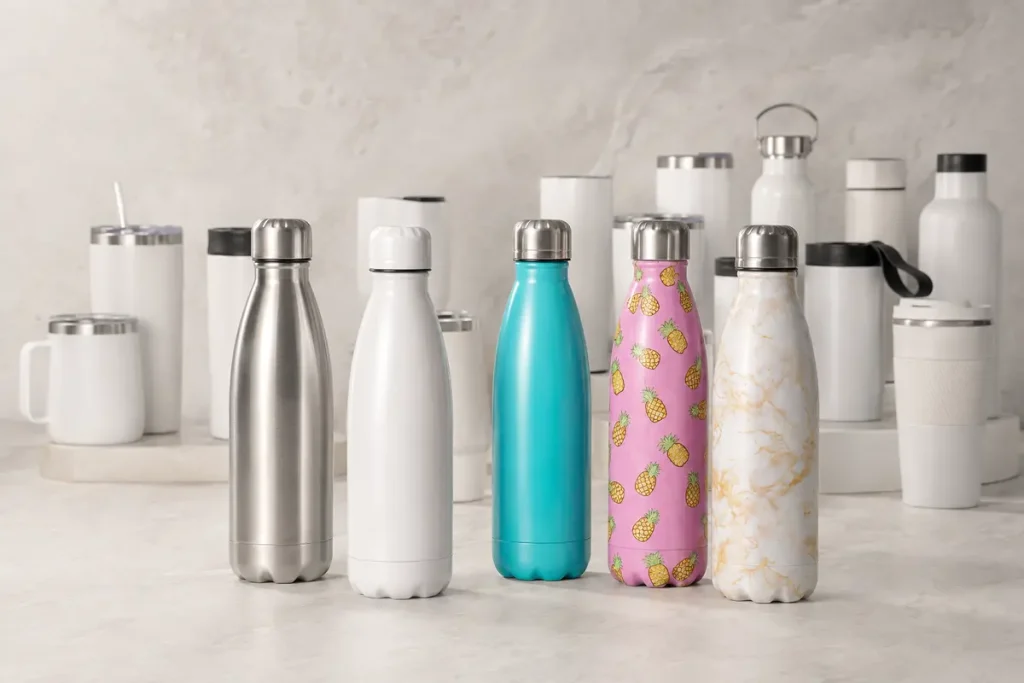
A reference photo is a useful starting point. It shows the general shape, capacity, lid style, and design direction you prefer. However, many important details cannot be confirmed from the image alone.
For example:
- Is the inner wall made from 304 or 316 stainless steel?
- Is the product single-wall or double-wall vacuum insulated?
- Does the lid need to be fully leakproof or only splash-resistant?
- Is the body painted, powder coated, or left in a stainless steel finish?
- Is the logo laser engraved, screen printed, or printed in full color?
- Does the price include an individual box, custom insert, or barcode label?
- Does the order require product-specific food-contact testing?
- Is the quoted quantity for one color or several colors?
If these details are not defined, each supplier may make different assumptions. One may quote a standard PP lid and white box, while another includes a Tritan lid, color box, and extra testing. Comparing only the final unit prices would therefore be misleading.
The goal of a good RFQ is not to make every technical decision before contacting a supplier. It is to provide enough information for the supplier to understand your project and clearly state any assumptions in the quotation.
1. Share a Product Reference and Its Intended Use
Begin with the clearest product reference available. This could be:
- A link to an existing product
- A photo or short video
- A drawing or 3D rendering
- A physical sample
- A simple description of the product you want
Also explain where and how the drinkware will be used. A travel mug for commuters has different performance priorities from a promotional event bottle, a children’s bottle, or a premium retail tumbler.
Useful information includes:
- Product type: water bottle, tumbler, travel mug or food jar
- Preferred capacity
- Target customer or sales channel
- Required features, such as a handle, straw, infuser or silicone boot
- Whether the product must fit a standard car cup holder
- Whether the lid must be fully leakproof
- Whether hot drinks, cold drinks or both will be used
If you have not selected a model yet, describe the market, target price range, and required functions. An experienced supplier can then recommend practical options instead of forcing your project into the wrong product.
You can also browse our insulated water bottles and stainless steel travel mugs for reference.
2. Confirm the Capacity, Material and Construction
Capacity alone does not define the product. Two 20 oz tumblers can have different body dimensions, steel thicknesses, weights, and insulation structures.
For a custom water bottle quotation, specify as much of the following as you know:
- Capacity in milliliters or ounces
- Single-wall or double-wall construction
- Vacuum insulation requirement
- Inner and outer stainless steel grades
- Lid material
- Straw material
- BPA-free requirements for plastic and silicone components
- Target insulation performance
- Any weight or dimensional limitations
Many standard vacuum-insulated drinkware products use food-contact-grade stainless steel on the inside, but the exact construction should still be written into the approved specification. If you are unsure which material combination is appropriate, ask the supplier to state the proposed material in the quotation rather than leaving it undefined.
For a closer look at how construction affects production, see our guide to the stainless steel water bottle manufacturing process.
3. State the Total Quantity and the Quantity per color.
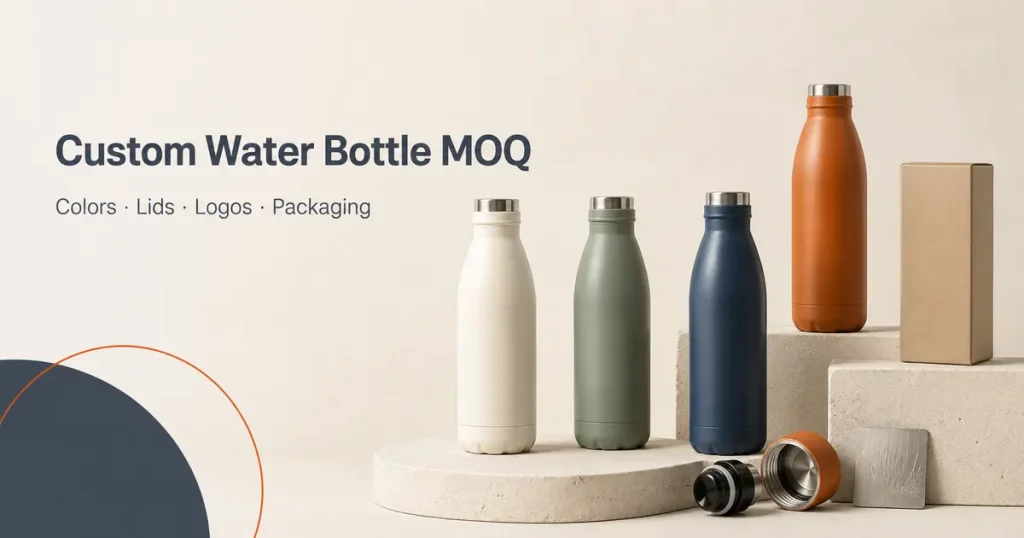
MOQ is not always one number for the entire project. Different parts of the order may have separate minimum production requirements.
For example, MOQ may apply to the following:
- The bottle model
- Each body color
- A specially colored lid
- Each logo design
- Custom packaging
- A newly developed mold or component
An inquiry for 1,000 bottles in one color is different from an inquiry for 1,000 bottles divided across ten colors. The total quantity is the same, but the second order requires more color changes, setup work, and production control.
Instead of writing only “1,000 pieces,” use a clear breakdown:
Total quantity: 1,000 pieces
Navy blue: 500 pieces
Beige: 500 pieces
If the color mix has not been decided, request two options—for example, one price based on a single color and another based on four colors. This makes the cost of the additional variation visible.
Standard models with simple logo customization can often support a lower starting quantity than projects involving exclusive colors, custom lids, special packaging, or new tooling. Sharing your expected annual volume can also help the supplier suggest a sensible first-order plan.
4. Define the Body Color and Surface Finish
“Black” or “blue” is usually not precise enough for production. If brand consistency matters, provide a Pantone reference or an approved physical color sample.
The RFQ should state:
- The Pantone color code, if available
- Whether the finish should be matte, glossy or textured
- The preferred coating or surface treatment
- Whether a gradient, metallic or special-effect finish is required
- Whether dishwasher durability is important
- Any abrasion, cross-cut adhesion or chemical-resistance expectations
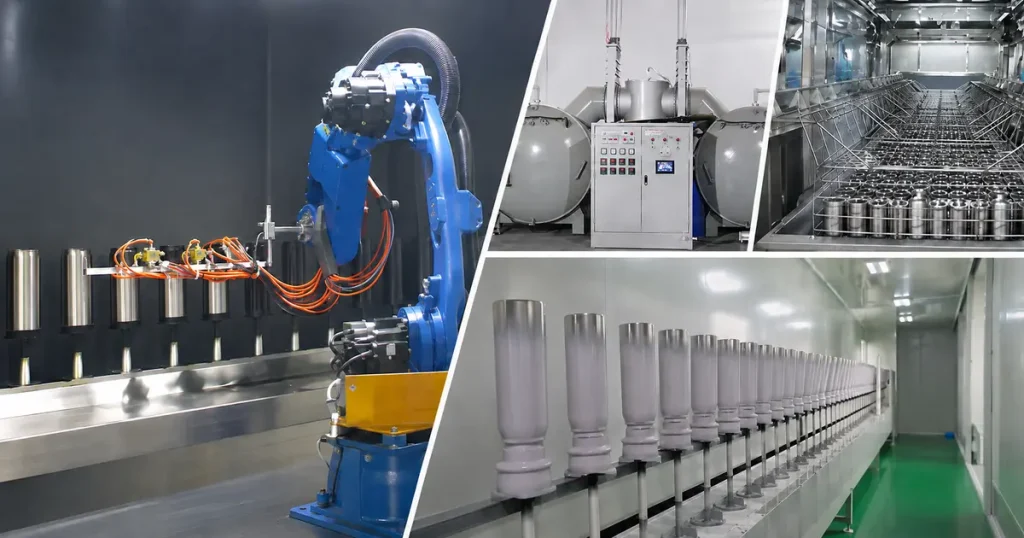
Common drinkware finishes include powder coating, spray painting, brushed stainless steel, polished stainless steel, sublimation coating, and several decorative printing finishes. They do not offer the same appearance, cost, or durability.
If you are unsure which process suits your design, share the visual effect and end-use requirement. The supplier should recommend the method and explain any MOQ or cost implications.
5. Provide Complete Logo and Artwork Information
The phrase “with logo” can describe anything from a small one-color mark to a full-wrap multicolor design. The logo method therefore has a direct impact on the quotation.
Include these details:
- Vector artwork in AI, EPS, or editable PDF format when available
- Number of logo colors
- Approximate logo size
- Logo position
- One-sided, two-sided, or full-wrap decoration
- Required color references
- Preferred printing method, if already selected
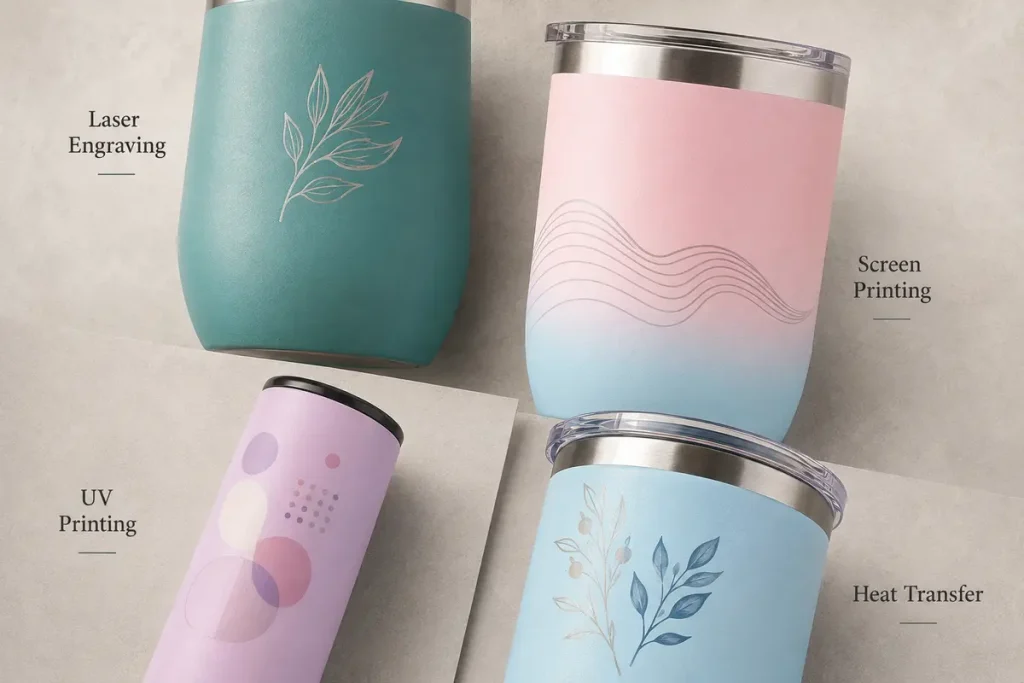
Typical logo processes include:
- Laser engraving: permanent and clean, revealing the metal beneath the coating
- Screen printing: economical for many simple one- or two-color logos
- UV printing: suitable for detailed multicolor graphics and certain gradient effects
- Heat transfer printing: useful for larger or more complex decorative artwork
- Embossing or debossing: normally requires tooling and may affect MOQ and development time
Do not worry if you do not know the correct method. Send the artwork and explain the desired appearance and durability. A good supplier should recommend a process based on the design, bottle surface, and order quantity.
6. Specify the Lid, Straw and Accessories
The lid is often one of the most important—and most underestimated—parts of a drinkware project.
A quotation should clearly state:
- Lid style and material
- Drinking method: straw, spout, open sip or dual-function lid
- Leakproof or splash-resistant requirement
- Handle or carry-loop requirement
- Lid color
- Straw type and length
- Silicone gasket details
- Additional accessories
Optional accessories may include a silicone boot, cleaning brush, extra straw, gift bag, carry strap, fruit infuser, or spare lid.
If several lid options are being considered, ask the supplier to quote them separately. This is clearer than receiving one blended price without knowing which lid is included.
The lid color also deserves attention. A standard available lid color may have a very different MOQ from a custom-matched plastic color. This should be confirmed before approving the final design.
7. Describe the Packaging in detail.
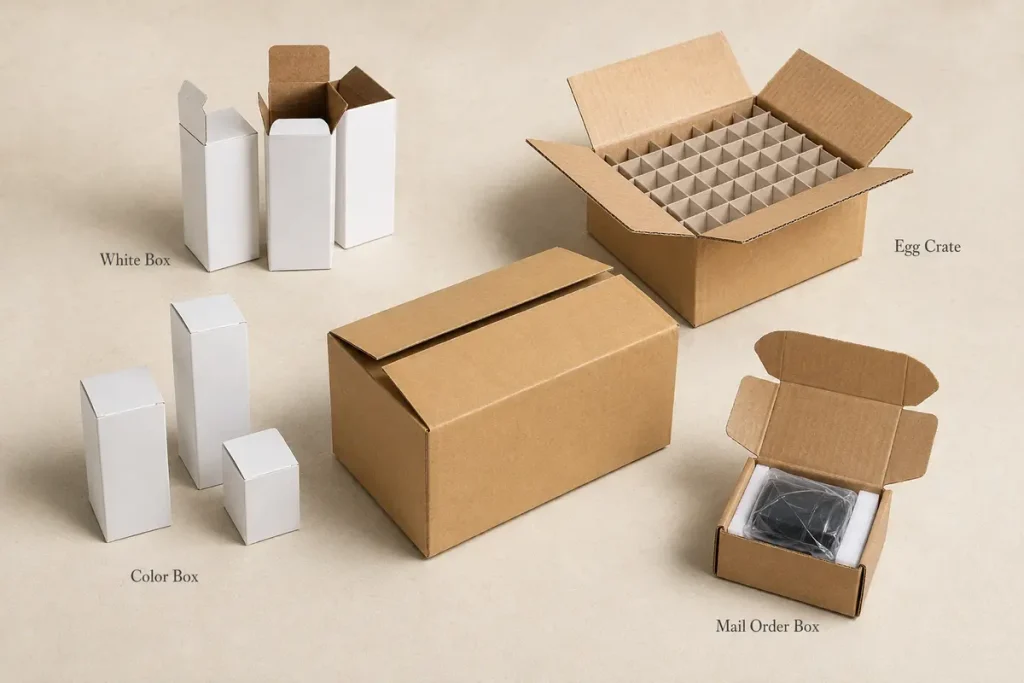
Packaging is part of the product cost, not an afterthought. A plain white box, a printed retail box, and a premium gift set require different materials, artwork, setup, and packing labor.
Your custom drinkware RFQ should explain whether you need the following:
- Individual polybag or protective paper
- Egg-crate bulk packing
- Plain white box
- Custom color box
- Gift box or multi-piece set
- Printed user instructions
- Barcode, SKU, or compliance label
- Insert card, thank-you card or warranty card
- Specific master-carton markings
- Retail drop-test or shipping-test requirements
Custom packaging may have an MOQ independent of the bottle MOQ. If you are testing a new product with a small first order, ask whether a standard white box with a custom label or sleeve could reduce the initial packaging commitment.
Final carton dimensions and gross weight also affect freight costs. Ask the supplier to provide estimated packing data with the quotation and confirmed data before shipment.
8. Identify the Destination Market and Compliance Requirements
The same bottle may be sold in the United States, the European Union, the United Kingdom, Australia, or another market, but the required documents and test standards may differ.
Tell the supplier:
- The destination country or region
- Whether the product is for retail, promotion or food-service use
- Applicable food-contact requirements
- Required material declarations or test reports
- BPA-free documentation needs
- Whether California Proposition 65 review is required
- Any retailer-specific testing or packaging standard
- Any social-compliance or factory-audit requirement
Avoid relying only on a general statement such as “FDA approved” or “LFGB certificate available.” Ask what product, material, and test scope the document covers and whether it matches the item you plan to order.
Testing can affect both cost and lead time. It is much safer to identify the requirement at the RFQ stage than after the production sample has already been approved.
9. Explain Your Sample and Approval Process
Samples are used for different purposes, and the supplier needs to know which stage you are requesting.
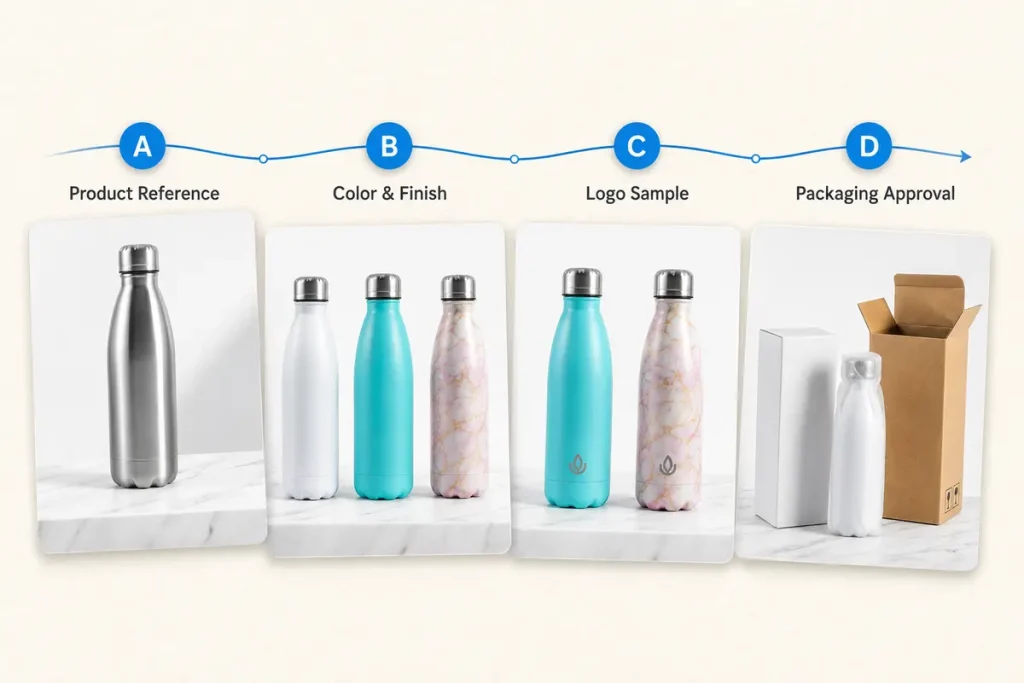
Common sample stages include:
- Existing sample: used to check the bottle structure, capacity and general quality
- Customized logo sample: used to confirm logo size, position, color and workmanship
- Pre-production sample: made according to the final approved specification before mass production
- Production sample: taken from the actual batch for final review or testing
State whether you need only an available sample or a fully customized sample. Ask the supplier to quote the sample cost, customization cost, courier charge, preparation time, and any refund policy separately.
Before mass production, confirm the specification in writing. This should include the product model, material, color, logo, lid, accessories, packaging, and inspection standard. A visual mockup is useful, but it should not replace a complete written specification.
10. Give the target date, destination, and quotation basis.
“Urgent” means different things to different companies. Give a specific required delivery date and explain whether it refers to:
- Sample approval
- Production completion
- Vessel departure
- Arrival at the destination port
- Delivery to your warehouse
Also provide the destination port or postcode and state the quotation basis you need, such as EXW, FOB, or CIF. A unit price without an Incoterm and named place is incomplete because the included transport responsibilities are unclear.
For example:
Please quote FOB Ningbo and CIF Hamburg separately.
If the order is tied to a launch, event, or seasonal promotion, mention the fixed deadline at the beginning. The supplier can then check production capacity, packaging lead time, and shipping schedule before promising a date.
A Complete Custom Drinkware RFQ Example
The following template can be adapted for a bottle, tumbler, travel mug, or food jar project.
Subject: RFQ – 20 oz Vacuum Insulated Tumbler – 1,000 pcs
Dear [Supplier Name],
We are looking for a 20 oz vacuum-insulated stainless steel tumbler for our retail range. Please quote based on the following requirements:
Product: Please see the attached reference photo/model link
Capacity: 20 oz
Construction: Double-wall vacuum-insulated
Material: Please state the proposed inner wall, outer wall and lid materials
Quantity: 1,000 pcs total
Color split: 500 pcs navy blue and 500 pcs. beige
Finish: Matte powder coating; Pantone references attached
Logo: One-color logo on one side, approximately 50 × 35 mm; vector file attached
Lid: Clear drinking lid; please confirm whether it is leakproof or splash resistant.
Accessories: One reusable straw per tumbler
Packaging: Individual white box with barcode label
Market: Germany / European Union
Compliance: Please advise which applicable food-contact test reports are available for this model
Sample: One existing sample first, followed by a customized logo sample
Required shipment date: [Date]
Quotation basis: FOB Ningbo and CIF HamburgPlease include the unit price, MOQ, sample cost, lead time, packing details, payment terms, and quotation validity. Please also list any assumptions or items not included in the price.
Best regards,
[Emma / Funzlife]
What a Clear Supplier Quotation Should Include
Once a detailed RFQ has been sent, the supplier’s quotation should be equally clear.
Look for the following information:
- Exact product model and specification
- Unit price and quantity tier
- MOQ and whether it applies per color or per design
- Included lid, straw and accessories
- Logo method and included print area
- Packaging method
- One-time setup, printing plate, or tooling costs
- Sample cost and sample lead time
- Mass-production lead time
- Packing quantity, carton size and gross weight
- Incoterm and named port or place
- Payment terms
- Quotation validity
- Clearly stated assumptions and exclusions
If one quotation is much lower than the others, compare the specification line by line before treating it as a saving. The difference may come from the material, coating, lid, packaging, inspection level, or items excluded from the price.
Common RFQ Mistakes to Avoid
Asking for the “best price” without defining the product
A low number is not useful if it is based on the wrong material, lid, or packaging. Ask for a price based on a written specification.
Comparing quotations with different assumptions
Create one RFQ and send the same version to each shortlisted supplier. If the specification changes, ask everyone to revise their quotation on the same basis.
Ignoring the quantity per color or design
Always show the total quantity and the breakdown by color, size, and logo. This prevents unexpected MOQ discussions later.
Leaving packaging and testing until the end
These items can change cost, lead time, and even the product construction. Include them before sample approval.
Approving only a visual mockup
A mockup confirms appearance, but it does not define every material and quality requirement. Approve a written specification together with the final sample.
Final Thoughts
An accurate custom stainless steel drinkware quote begins with a clear understanding of the project. You do not need to arrive with a complete engineering specification, but the supplier should know the intended product, quantity, color split, branding, packaging, target market, and delivery plan.
The more clearly these points are communicated, the easier it becomes to compare suppliers, manage MOQ, control unexpected costs, and move from sampling to mass production with fewer revisions.
If you are still deciding between different bottle models, finishes, or packaging options, our team can help you identify a practical route based on your market, order quantity, and budget. Explore our custom drinkware options or contact us with your product reference, quantity, logo, and packaging requirements for an itemized quotation.